
Living with wildlife has a cost
Livestock lost to wolves, crops damaged by bears or elephants, and compensation that arrives late or never. Tolerance turns into conflict.
 Regenerative nature-based tourism
We bring together protected areas, communities, local businesses and science so tourism restores nature and creates local income.
Livestock lost to wolves, crops damaged by bears or elephants, and compensation that arrives late or never. Tolerance turns into conflict.
Without local businesses of their own, families depend on hunting, logging old-growth forest or leaving. Young people go, and traditional knowledge goes with them.
Visitors come for the wildlife, but the value leaves with outside operators, animals are disturbed and nobody measures the impact.
Our answer is tourism designed with the communities, under clear rules, and measured from day zero.
Perceptions study, landscape map and day-zero data.
A memorandum with the community: limits and revenue sharing.
Co-designed with local hosts. Tested before anything is sold.
A few trained operators sell it, under clear rules.
Indicators tracked and an annual report with open numbers.
Joint go / no-go decision with the community and partners
The shares and visitor limits are agreed with each community before anything opens.
“Tourism at its best is a sacred cultural and ecological exchange: the traveller funds the survival of the forest and the livelihoods of those who live there, and in return takes home a spiritual healing and a new understanding of their place in the world.”
Jane Goodall
Depopulation, conflict with wildlife and protected areas without budget?
Does your offer depend on wildlife sightings alone?
Looking for impact you can trace and show?
Want your trip, or your support, to make a real difference?
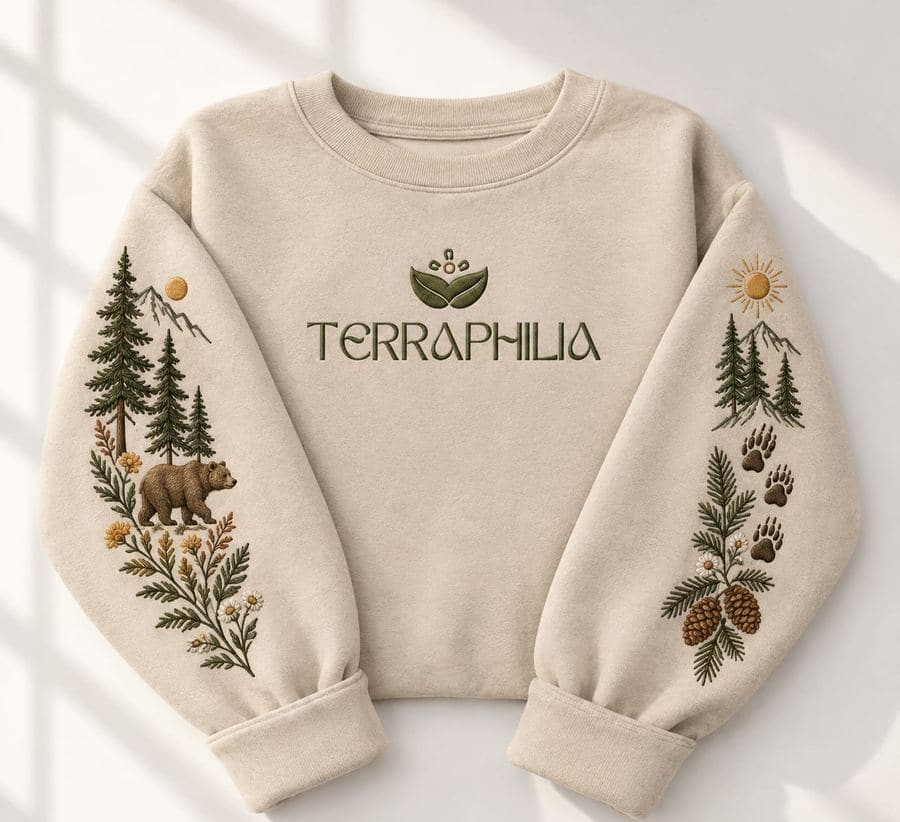
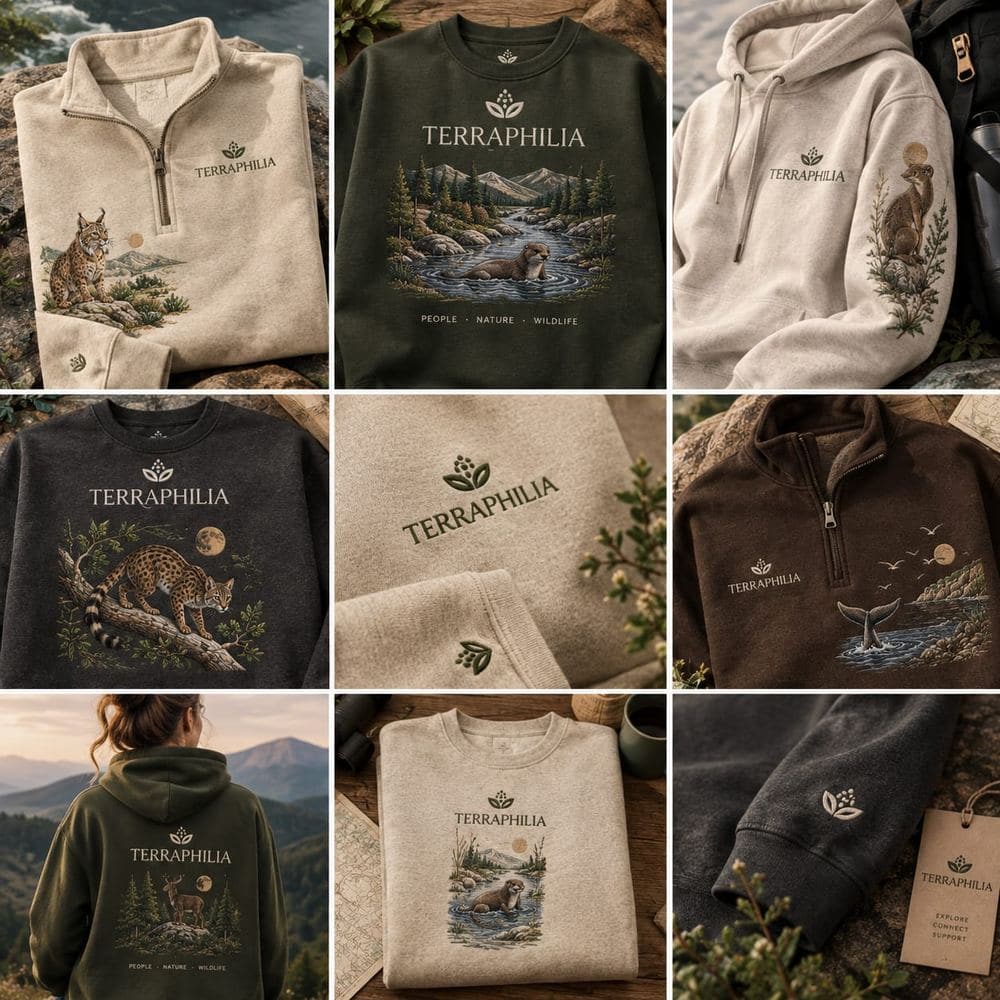
A collection inspired by the wildlife of the landscapes we work in: the Iberian lynx, the otter, the bear, the deer and the whale. Made in Portugal. Part of every purchase goes to the projects and communities behind each design.
Coming soonEach project validates the approach with the people on the ground, measures what changes from day zero, and becomes a case study before anything is scaled.
Portugal
A regenerative tourism project on coexistence with the Iberian wolf, built with local shepherds and villages: a perceptions study followed by experience design.
British Columbia, Canada
An expedition in the Bella Coola Valley that we co-designed with the Nuxalk people. It is operated and sold by our local partner, Firvale Wilderness Camp.
Romania
In partnership with Travel Carpathia and Foundation Conservation Carpathia.
Some landscapes we work in become small-group expeditions. We design them with local operators and hosts, who run and sell them in their own territory. Part of every trip funds the nature and culture travellers come to see. We work with a small number of accredited partners, under clear rules that protect communities and nature.
Partner expedition · 5 days
Bella Coola Valley, Great Bear Rainforest, Canada
Five days in the Bella Coola Valley, in Nuxalk territory, with experiences led by Nuxalk people. Grizzly bears along the Atnarko River during the salmon run, ancient cedar forests, estuaries and waterfalls.
 Operated by our partner
Brown bears, wolves and lynx in the Făgăraș Mountains, one of Europe's wildest ranges, where Foundation Conservation Carpathia is working to create a national park.
 With our partner
Snow leopards in the high valleys around Uley, staying at Shan at Uley, a family-run lodge where tourism helps compensate herders for livestock lost to predators.
 With our partner
Are you a tour operator or lodge in a wild landscape? Co-design an expedition with us
We record the starting point of every landscape before any work begins.
Ecological, social and economic, agreed with partners: who collects them, and how often.
Each year we show what changed: income, visitors, wildlife, forest.
From each trip or sponsorship to the community and project it funds.

Terraphilia means "love for the Earth"
It is the bond people feel with what is wild and living. We started Terraphilia because tourism was reaching the world's wildest places faster than anyone was asking what it should leave behind. Our work is to make sure the answer is: more than it takes.
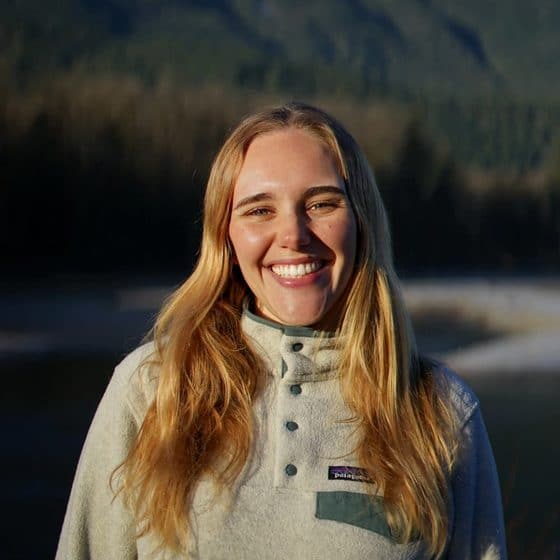
Community co-design & coexistence
Social scientist and member of the IUCN World Commission on Protected Areas, in its Tourism and Protected Areas group. Works with communities through interviews and participatory methods, from the wolf in Montesinho and the lynx in Mértola to Indigenous communities in Canada. Leads Terraphilia's perceptions studies and co-design.
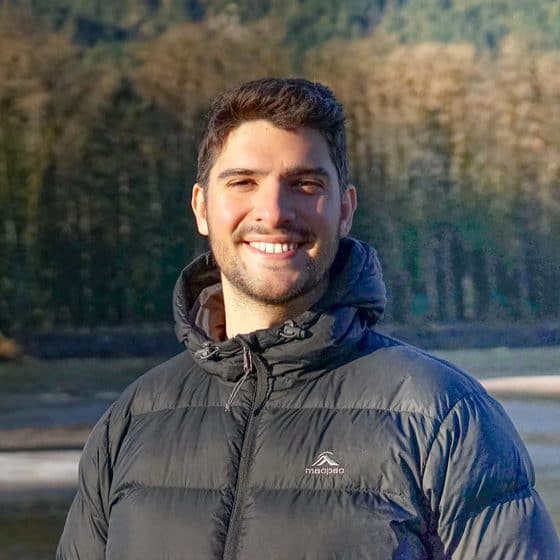
Nature-based impact & partnerships
Technologist working on nature-based solutions and their business models, with extensive experience in Africa alongside protected areas. Founder of RAMO Earth, whose Nature OS maps and measures nature. Leads Terraphilia's impact measurement and partnerships.
What we are learning about tourism, wildlife and the places in between.
Doing less harm is a start. In wild landscapes, it is rarely enough.
Read article →Before designing a single trip, find out whether tourism is wanted, and on whose terms.
Read article →What we measure, why we publish it, and why it starts with a baseline.
Read article →We help wild landscapes use tourism to fund nature's recovery. We study whether tourism makes sense in a place, design regenerative experiences with local partners, and measure the impact over time.
Mostly municipalities, regional development associations, conservation NGOs and foundations. We bring them together with parks, local businesses, communities and scientists in the same landscape.
No. We design experiences with communities and accredit a small number of operators who sell and run them. We keep the relationship with the community and monitor the impact. See Partner Expeditions.
A tour operator or agency we have trained and that agrees to the rules set with each community: visitor limits, code of conduct, how revenue is shared and impact reporting. Only accredited partners can sell experiences in the landscapes we work in.
It is usually the first step. Through 15 to 20 interviews with residents, park staff, businesses and researchers, we look at how people experience living with wildlife and what they think tourism could do for the community and for nature.
You receive a short report with a clear recommendation: go ahead, adjust, or pause, plus the conditions and the partners needed.
A study takes about six weeks. The cost depends on the landscape, travel and the number of communities involved, so we agree it after a first call. Many of our clients fund this work through public or philanthropic programmes.
Yes. In Portugal, the Crescer com o Turismo programme can fund up to 80% of studies and consultancy for public bodies and non-profit regional development associations. We help structure the application and join as the service partner. We also work with partners on EU programmes such as LIFE and Interreg.
Then we stop, or adjust the plan. A clear "not now" saves money and protects trust with the people who live there. Each stage of our work ends with a joint go / no-go decision.
We agree ecological, social and economic indicators with partners at the start, and collect day-zero data before any work starts. Ecological change in the landscape is monitored with our technology partner RAMO Earth. We report every year with open numbers, before-and-after records and a clear trail of where the money went. Carbon is measured including flights, reduced where possible, and only the remainder is compensated. Read more in Proof, not promises.
Terraphilia was born in Portugal and works in wild landscapes around the world, currently including Montesinho in Portugal, the Great Bear Rainforest in Canada and the Făgăraș Mountains in Romania. See Where we work.
Yes. Our expeditions are run and sold by our partners. See Partner Expeditions for what is open.
Tell us about the place, who is already working there and what is happening with wildlife and tourism. We'll see together whether a Perceptions & Feasibility Study is the right first step, and how it could be funded.
Prefer email? Contact our founder, Inês Caetano
Follow us